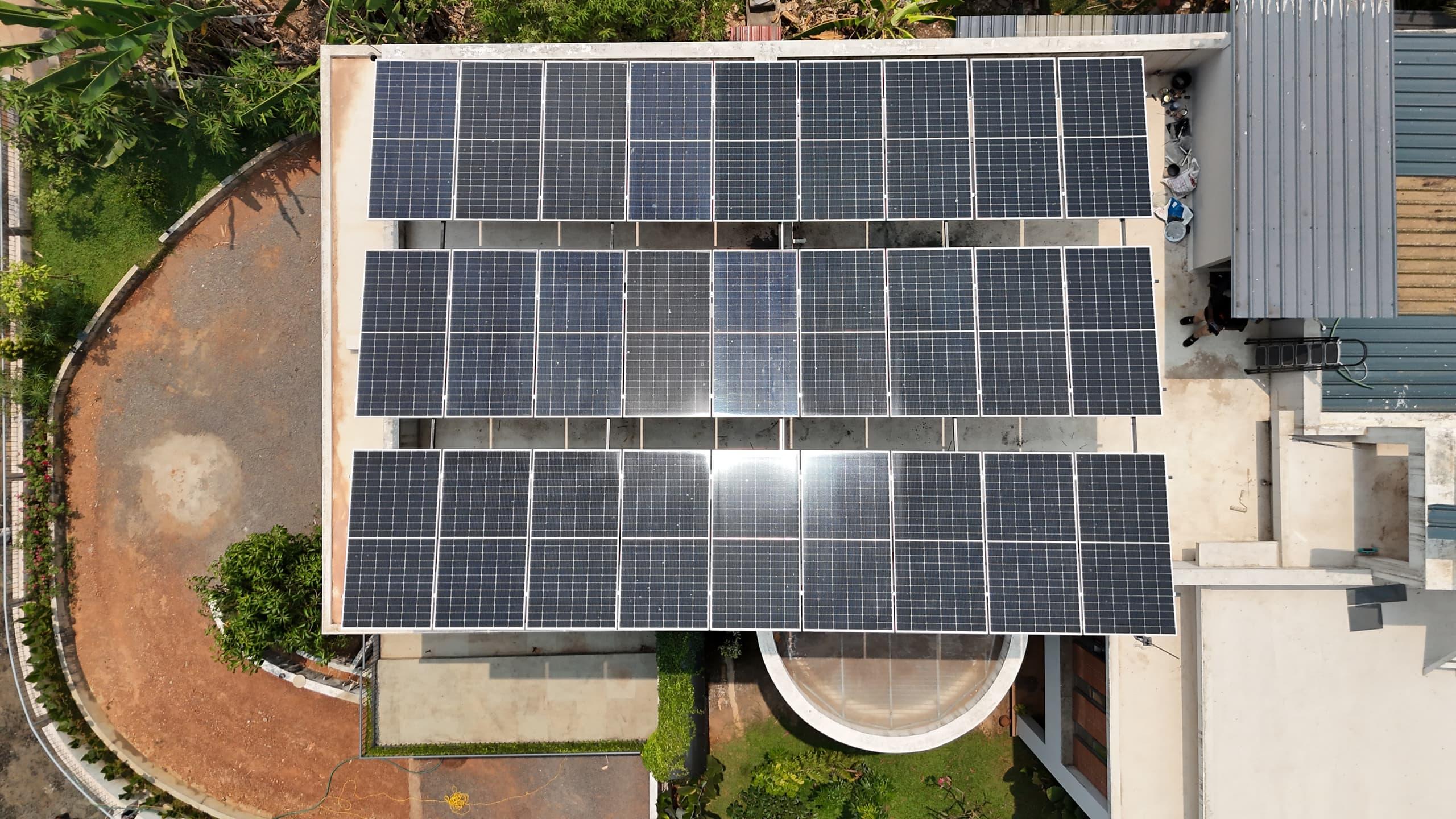


Two quotes for a 3 kW system can differ by tens of thousands of rupees and both be 'correct'. The kilowatt number is the least informative line on the page. These are the lines that actually decide what you get.
Panels: brand, wattage, and the ALMM list
Check the exact panel model and confirm it is on MNRE's ALMM list, which is mandatory for subsidy eligibility. Note the technology and wattage: fewer high-wattage mono panels usually beat many low-wattage ones on a Kerala roof where space and mounting points cost money.
The inverter: where cheap quotes hide
The inverter is the working heart of the system and the most common place to save cost invisibly. Compare brand, model and capacity. An undersized or unbranded inverter throttles everything the panels can do, and its warranty is the one you are most likely to actually use.
Structure, protection, and paperwork
Ask what the mounting structure is made of and what wind speed it is rated for; in coastal Kerala this is not a detail, it is the difference in the first cyclone warning. Confirm the quote includes proper earthing, lightning arrestor and surge protection devices, and DC and AC distribution boxes. Then confirm who files the subsidy and net metering paperwork, and what the written service response time is.
When a quote is dramatically cheaper, it is rarely the panels that shrank. It is the structure, the protection devices, or the company's intention of answering the phone in year five. Compare all the lines, then compare the companies' ages.
Your roof, next
Want these numbers for your own house?
A free one-hour roof survey by a SEDNA engineer. Honest size, subsidy filed, quote in writing.
- 4.9 on Google
- 2,500+ installations
- MNRE-approved
- Since 2009