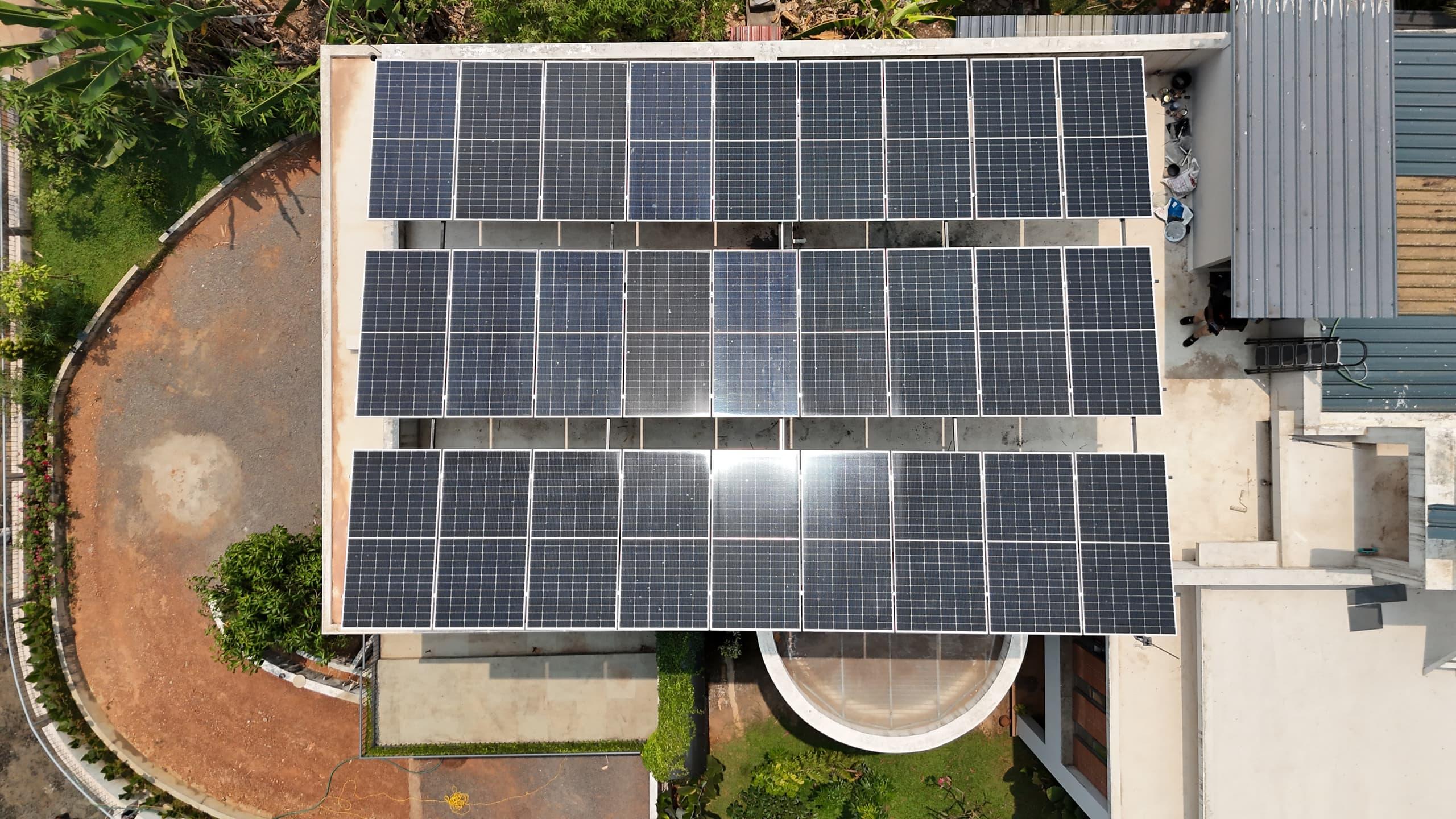


For decades, backup meant a row of lead-acid batteries: heavy, maintenance-hungry and replaced every few years. Lithium has ended that era for most new systems, and increasingly we upgrade older installations, like the 5 kVA system in the video, from lead-acid banks to lithium packs.
What actually improves
Usable capacity: a lead-acid battery should not be drained much past half; lithium routinely uses 80 to 90 percent of its rating, so a same-size pack delivers far more real backup. Life: quality lithium delivers several times the charge cycles. Maintenance: no water top-ups, no terminal corrosion ritual. Space and weight: roughly half, which matters when batteries live inside homes. Charging: lithium accepts charge faster, so solar refills it in fewer daylight hours.
What to check before upgrading
Compatibility first: the existing inverter must support a lithium charging profile, natively or through the pack's battery management system. That is the technical heart of an upgrade and the first thing we verify. Then sizing, done on your actual essential loads rather than the old bank's label. And insist on a pack with a proper BMS and a stated cycle warranty; the unbranded lithium flooding the market saves money exactly once.
Lead-acid still has a place where budgets are tight and usage is light. But if you are replacing a dead bank anyway, the upgrade math usually favours lithium before the first year is over.
Your roof, next
Want these numbers for your own house?
A free one-hour roof survey by a SEDNA engineer. Honest size, subsidy filed, quote in writing.
- 4.9 on Google
- 2,500+ installations
- MNRE-approved
- Since 2009