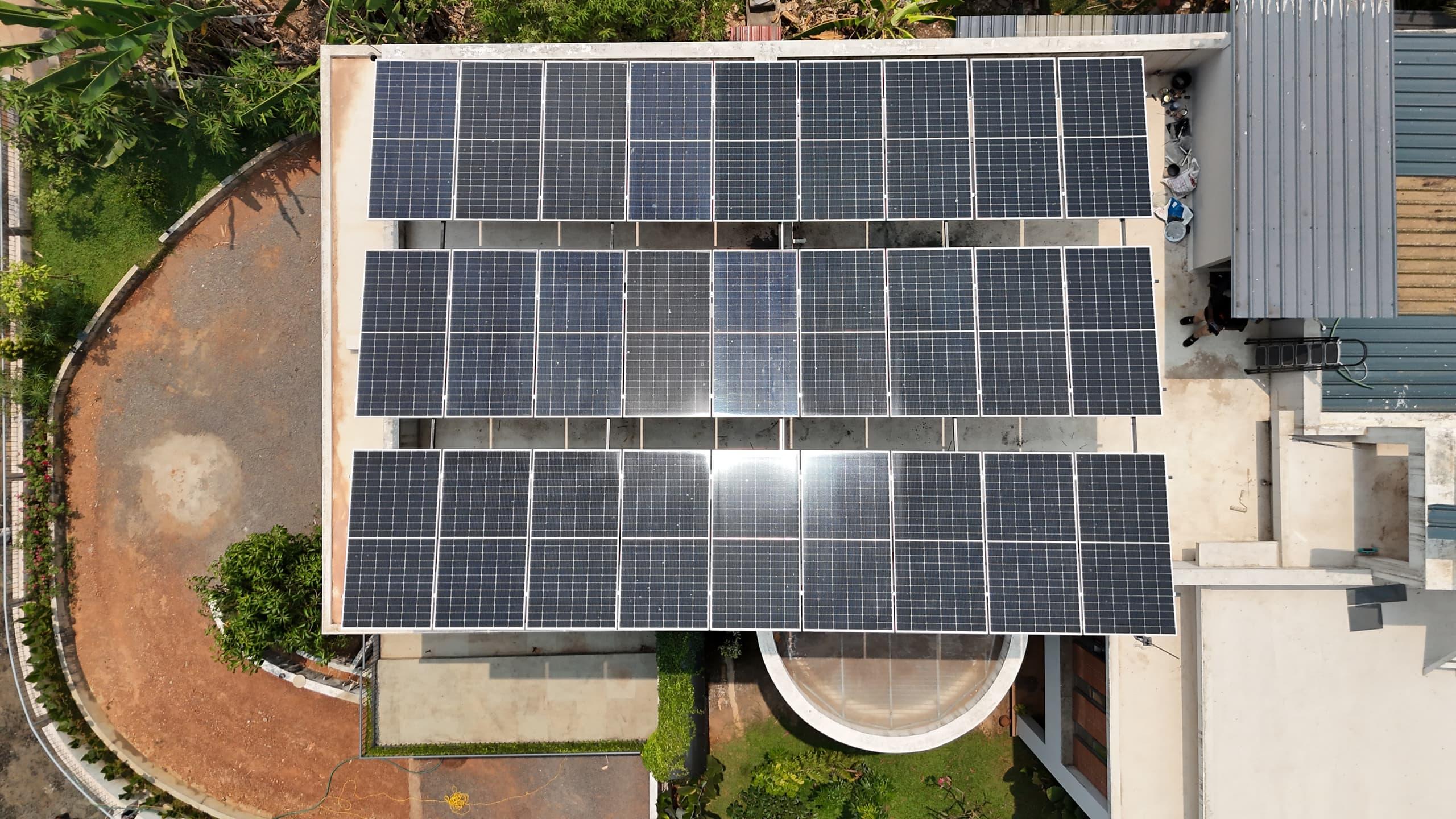


For a decade, net metering has been the quiet engine of rooftop solar in Kerala: every excess unit exported by day comes back as credit at night, making batteries unnecessary for most homes. Regulatory proposals in recent years, including KSERC draft frameworks, have signalled that this arithmetic will not stay frozen forever.
What is being discussed
Proposals discussed at various times include moving larger systems toward gross or net billing, where exported units earn less than consumed units cost, and revising charges for solar consumers. Draft proposals are not final rules, and they change under consultation and objection, as the industry response covered in the video shows. Existing net metering consumers have historically been protected under the arrangements they signed up with.
What it means for your decision
Two practical conclusions. First, systems commissioned under today's net metering terms are the ones most likely to enjoy them for the long haul, which is one more argument against waiting years to decide. Second, if export credits become less valuable in the future, storing your own excess becomes more valuable, which is exactly what a hybrid system does. It is why hybrid inquiries have grown every time the regulatory conversation resurfaces.
Our advice stays boring: size for self-consumption first, treat exports as a bonus, and ask us about the current state of the rules at your survey, because we track them so you do not have to.
Your roof, next
Want these numbers for your own house?
A free one-hour roof survey by a SEDNA engineer. Honest size, subsidy filed, quote in writing.
- 4.9 on Google
- 2,500+ installations
- MNRE-approved
- Since 2009